
Prince Edward Island offers a surprisingly varied range of 3-star hotels, from beachfront inns along its red-sand shores to value-oriented properties near Summerside and the Confederation Bridge crossing. Whether you're road-tripping across the island or targeting a specific coastal community, this guide breaks down the most relevant options by location, trade-offs, and booking strategy - so you can skip the guesswork and book with confidence.
What It's Like Staying in Prince Edward Island
Prince Edward Island is Canada's smallest province, but its low density makes it one of the most relaxed travel experiences in Atlantic Canada. Getting around requires a car - public transit is essentially non-existent outside Charlottetown, and many of the island's most rewarding areas (fishing villages, coastal trails, farm-to-table restaurants) are only reachable by driving rural routes. The island's pace is slow and seasonal, with the majority of tourism activity concentrated between late June and early September. Crowds are manageable compared to urban Canadian destinations, but waterfront accommodations and Anne of Green Gables sites fill up quickly in July and August.
Pros:
- Low-density travel environment means less competition for parking, trails, and dining reservations outside peak weeks
- 3-star hotels here often include free parking and breakfast-adjacent amenities that urban Canadian hotels charge extra for
- The island's compact size (around 280 km tip to tip) makes multi-area exploration realistic without overnight relocations
Cons:
- No train service and limited bus routes mean a rental car is effectively mandatory for most itineraries
- Off-season (October to May) sees many properties close entirely, limiting booking flexibility
- Charlottetown Airport serves limited direct routes, which can complicate arrival logistics for international travelers
Why Choose a 3-Star Hotel in Prince Edward Island
Three-star hotels in Prince Edward Island hit a practical sweet spot for travelers who want reliable infrastructure - private bathrooms, free WiFi, on-site parking - without paying premium resort prices. Rates at 3-star properties typically run around 40% lower than comparable waterfront resorts in peak season, while still delivering the essentials that make a multi-night stay comfortable. Room sizes tend to be generous compared to urban Canadian standards, and many properties include kitchen facilities or refrigerators, which matters when dining options close early in rural areas. The trade-off is that on-site dining and entertainment are limited - most 3-star stays here rely on the surrounding area rather than the hotel itself for experiences.
Pros:
- Free parking is almost universally included, a significant saving compared to Charlottetown's downtown hotel options
- Many 3-star properties offer kitchen-equipped rooms or cottages, reducing meal costs during longer stays
- Bedeque Bay and coastal sea views are accessible at this price tier, which would cost significantly more in comparable resort markets
Cons:
- On-site amenities like pools, spas, or full-service restaurants are rarely available at this category
- Properties are dispersed across the island, meaning your hotel's location locks you into a specific travel radius
- Minimum stay requirements may apply during peak summer weeks at smaller inns and beachfront properties
Practical Booking & Area Strategy
The island divides naturally into three travel zones: the western end anchored by Summerside, the central zone around Charlottetown, and the quieter eastern region near Souris and the Gulf Shore. Summerside-area hotels offer the best balance of access and price - you're within reach of Harbourfront Jubilee Theatre, Red Shores Raceway, and the Confederation Bridge, while avoiding Charlottetown's higher accommodation costs. For travelers targeting the eastern shore's beaches and hiking trails, properties near Little Pond or Souris place you within a short drive of the Greenwich section of PEI National Park and the Confederation Trail cycling network. Book at least 8 weeks ahead for July and August stays, particularly for beachfront or waterfront-view rooms - these sell out before budget alternatives in Charlottetown even hit peak demand. Borden-Carleton is worth considering for travelers arriving via the Confederation Bridge from New Brunswick, as it cuts out the drive to Charlottetown entirely if your itinerary focuses on the western half of the island.
Best Value Stays
These properties deliver reliable 3-star infrastructure at competitive price points, with practical advantages for road-trippers and budget-conscious travelers exploring specific zones of the island.
-
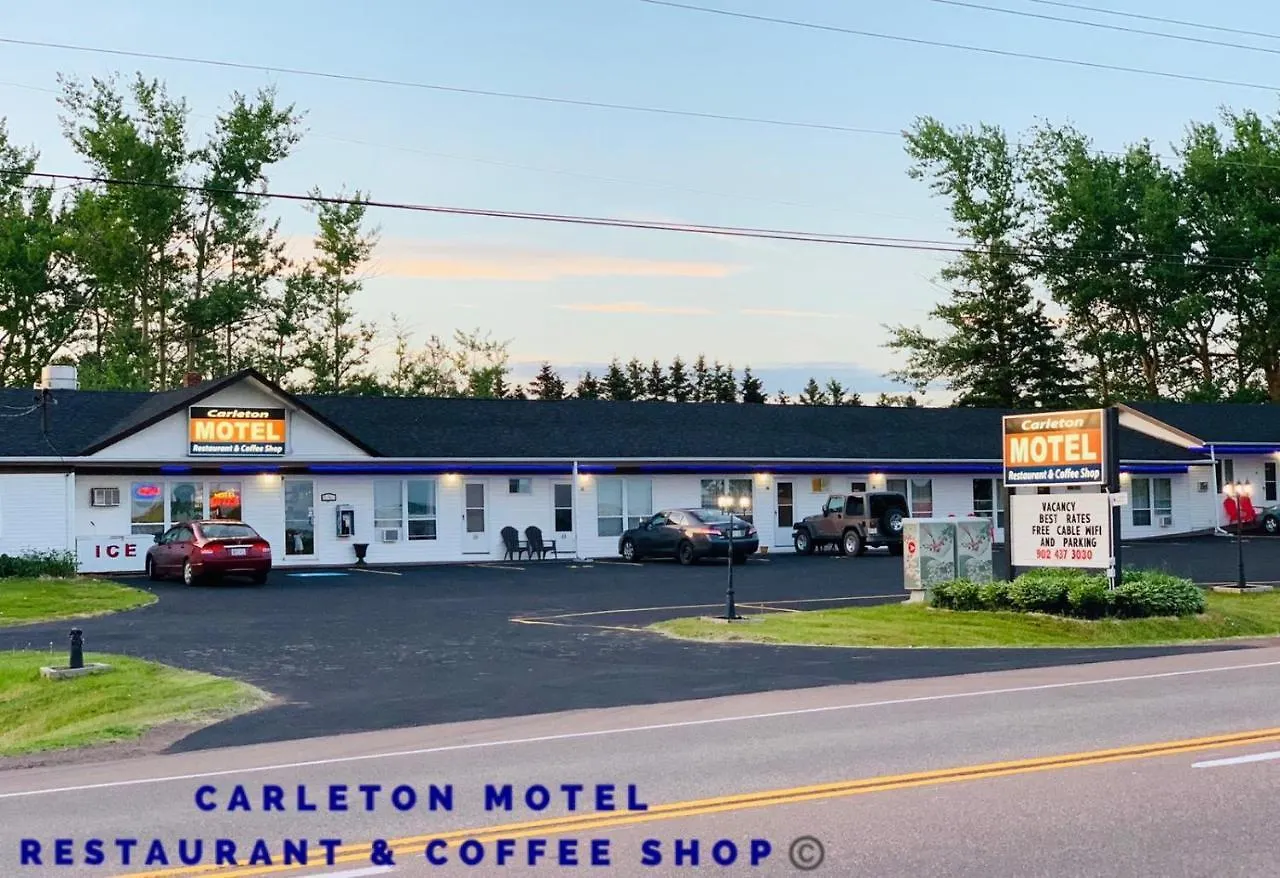
1. Carleton Motel And Coffee Shop
Show on map


 Check-infrom 14:30 until 15:00Check-outuntil 11:00
Just a few rooms left at the best rate!
fromC$ 146
-
2. Canadas Best Value Inn & Suites Summerside
Show on map


 Check-infrom 15:00 until 17:00Check-outfrom 08:00 until 11:00
Just a few rooms left at the best rate!
fromC$ 117
-
3. Rollo Bay Inn
Show on map


 Check-infrom 15:00 until 23:59Check-outuntil 11:00
Hurry – almost gone at this price!
fromC$ 121
Best Premium Option
For travelers prioritizing a waterfront setting and a more immersive coastal PEI experience, this beachfront inn on the quieter eastern shore offers a distinctly different stay from the island's highway-adjacent properties.
-
4. Ned'S Landing At Spry Point
Show on map


 Check-infrom 15:30 until 18:00Check-outuntil 11:00
Rooms filling fast – secure the best rate!
fromC$ 494
Smart Travel & Timing Advice for Prince Edward Island
July and August are peak season on Prince Edward Island, when ferry traffic, Anne of Green Gables sites, and coastal accommodations all operate at full capacity - prices at 3-star properties can spike significantly compared to shoulder months, and waterfront rooms are typically the first to sell out. June and September offer a compelling alternative: weather remains warm enough for beach use, crowds are thinner, and rates drop noticeably after Labour Day. If you're targeting the eastern shore around Souris or Spry Point, late June is particularly effective - the Gulf waters are warming up and the tourist infrastructure is fully operational without the peak-week congestion. Book eastern and beachfront properties at least 8 weeks in advance for summer travel; Summerside and Borden-Carleton options tend to have more availability given their highway-adjacent positioning. Plan for a minimum of 4 nights to cover the island meaningfully - fewer nights forces rushed driving and limits the slow-travel rhythm that makes PEI worth visiting. Last-minute bookings are viable in October but come with the trade-off that many rural properties have already closed for the season.


