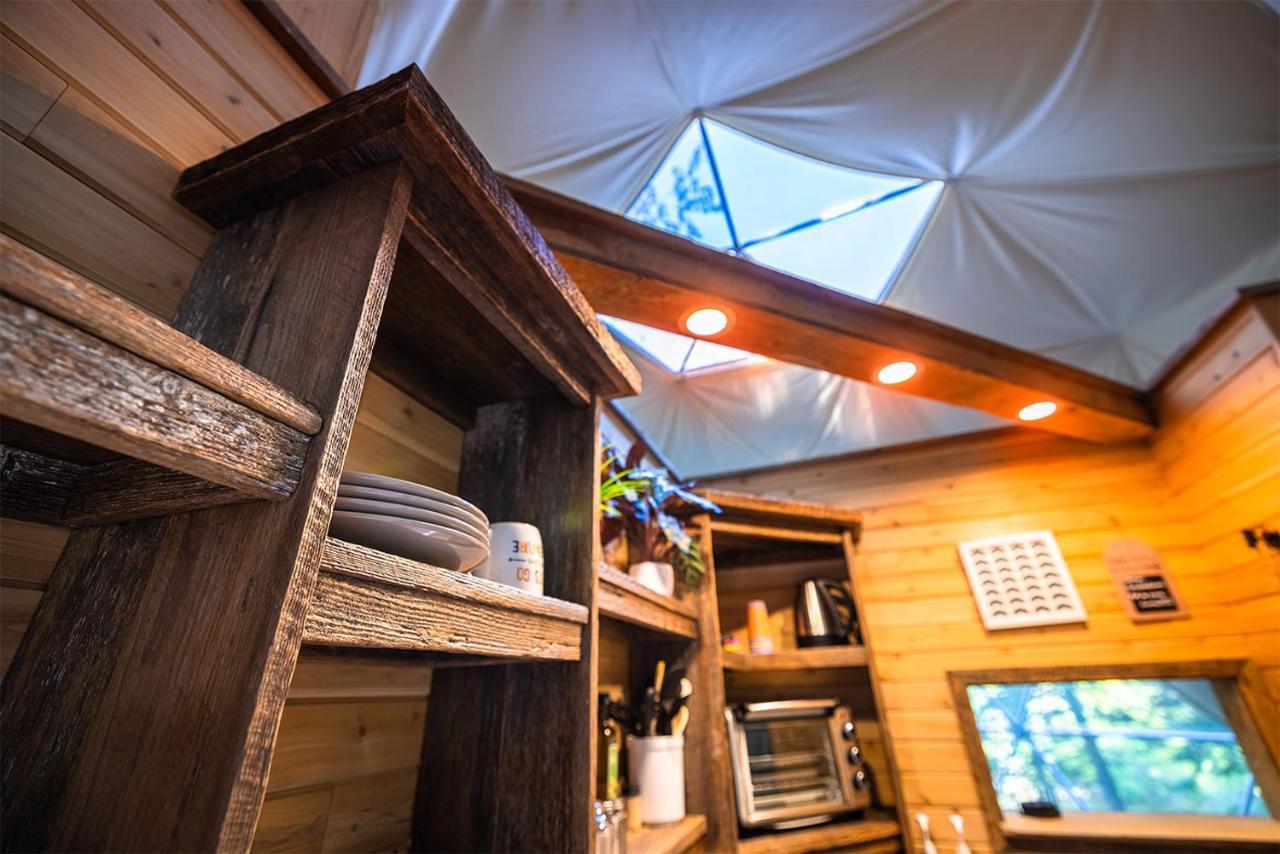
Acadia - the historic French-speaking region spanning parts of New Brunswick, Nova Scotia, and Prince Edward Island - draws travelers seeking rugged coastal scenery, Francophone culture, and outdoor experiences far from crowded tourist circuits. When cleanliness is a priority, knowing which properties consistently earn top hygiene ratings helps you book with confidence across this geographically spread region. This guide covers five highly rated hotels for cleanliness across Acadia's key destinations, from the tidal flats of Hopewell Cape to the harbor towns of Summerside and the forests of Nova Scotia's Eastern Shore.
What It's Like Staying in Acadia
Acadia is not a single city but a cultural and geographic region stitched together by coastal highways, rural back roads, and ferry crossings - which means your base matters enormously. Distances between attractions can exceed 100 km, so most visitors rely on a rental car rather than public transport. Crowds are highly seasonal, peaking from late June through August when Hopewell Rocks, the Cabot Trail, and PEI's beaches draw the bulk of visitors, while shoulder months offer quieter roads and lower rates.
Travelers who thrive here are those who embrace slow, road-trip-style exploration and want authentic maritime culture without the infrastructure of a major city. Those expecting urban conveniences, nightlife density, or walkable city centers may find Acadia's dispersed layout frustrating.
Pros:
- Exceptional natural access - Hopewell Rocks, Fundy Trail, and Cape Breton Highlands are within reasonable drives of most bases
- Significantly fewer crowds than comparable Maritime attractions in peak season
- Bilingual (English/French) service culture in New Brunswick adds authentic regional character
Cons:
- No reliable intercity public transit - a car is essentially mandatory
- Many properties close or reduce service outside July-September
- Dining options thin out quickly in rural sub-regions like Rivière-Verte or Hopewell Cape
Why Choose Hotels with High Cleanliness Ratings in Acadia
In a region where many accommodations are independently run motels, chalets, and inns - rather than branded chain hotels - cleanliness standards vary considerably. Booking a property with consistently top-rated hygiene scores protects you from the most common complaints in rural Maritime stays: aging linens, musty rooms, and inconsistent bathroom upkeep. Highly rated clean hotels in Acadia typically charge around 20% more than average-rated equivalents, but the trade-off in comfort and reliability is well-documented in traveler reviews.
Room sizes at independently operated properties in this region tend to be generous compared to urban hotel norms, often including kitchenettes or full kitchens - which makes cleanliness of shared cooking surfaces an even more critical factor to vet before booking.
Pros:
- Independently operated properties often provide freshly laundered linens and personally managed upkeep more attentively than large chain housekeeping rotations
- Kitchen-equipped rooms with high cleanliness scores mean safer self-catering - important for families and longer stays
- Fewer post-stay disputes and refund requests - cleanliness is the top driver of negative reviews in rural New Brunswick and Nova Scotia properties
Cons:
- Top-rated clean properties book out fastest in July and August - often 6 weeks ahead of peak dates
- Some high-cleanliness-rated properties are small (under 10 units), limiting availability for groups
- Higher hygiene standards sometimes correlate with stricter no-pet and no-smoking policies that reduce flexibility
Practical Booking & Area Strategy
Acadia's geography means your choice of base determines what you can realistically see in a day. Hopewell Cape in New Brunswick positions you within 9 km of Hopewell Rocks - one of the most visited natural sites in Atlantic Canada - and within a 45-minute drive of Moncton's urban services. Summerside on Prince Edward Island sits centrally on the island's western half, putting you close to both the Anne of Green Gables Museum and the Confederation Trail cycling network. For Nova Scotia's Eastern Shore, Port Dufferin is a quiet base roughly 2 hours from Halifax, suited to travelers prioritizing coastal solitude over convenience.
Book peak-season stays (July-August) at least 6 weeks in advance for any property with strong cleanliness ratings, as they are the first to sell out. Shoulder season (May-June and September-October) offers the best price-to-experience ratio across all three provinces, with most top-rated properties still operating and room rates noticeably lower than summer peaks. If you're combining multiple Acadian sub-regions in one trip, plan your routing to avoid backtracking - the Trans-Canada Highway and Route 15 in New Brunswick and the Trans-Canada Highway through PEI are your primary connectors.
Best Value Stays
These properties deliver strong cleanliness ratings combined with practical amenities and accessible pricing - well-suited for road-trippers and families who want reliability without premium rates.
-
1. Quisibis Domes
Show on map


Just a few rooms left at the best rate!
-
2. The Marmalade Motel
Show on map


Just a few rooms left at the best rate!
fromUS$ 209
- Show on map
Best price guarantee
Best Premium Stays
These properties offer broader amenity sets, structured services, and stronger on-site facilities - better suited to travelers who want more than a self-catering base during their Acadian stay.
-
4. Shepody Bay Inn
Show on map


Hurry – almost gone at this price!
fromUS$ 123
-
5. Microtel Inn & Suites By Wyndham Summerside
Show on map


Rooms filling fast – secure the best rate!
fromUS$ 264
Smart Travel & Timing Advice
Acadia's peak season runs from late June through August, when accommodation availability at well-reviewed properties drops sharply and nightly rates climb across New Brunswick, Nova Scotia, and PEI simultaneously. Booking at least 6 weeks before a July or August arrival is strongly recommended for any property with consistently high cleanliness ratings, as these are the first to sell out on popular platforms. September is arguably the best month to visit - lobster season remains active in many areas, foliage begins across New Brunswick's interior, and rates typically fall by around 20% compared to peak summer.
For Hopewell Rocks specifically, timing your visit to coincide with low tide is non-negotiable - the tidal difference in the Bay of Fundy reaches among the highest in the world, and the walking experience at low tide is entirely different from high tide. Plan your base in Hopewell Cape or Albert County accordingly. A minimum stay of 3 nights per sub-region (e.g., 3 nights in New Brunswick, 3 in PEI) gives enough time to cover key attractions without rushing. Last-minute bookings in peak season in Acadia are genuinely risky - rural properties don't have the same overflow capacity as city hotel markets.